Academic Papers
Heterogeneity of presynaptic input and postsynaptic intrinsic excitability are two major variables that regulate neuronal firing rates and patterns. Yet, little is known about how these variables interplay to diversify the fidelity of excitation-spike coupling. To investigate their reciprocal relationship, we took advantage of the one-to-one innervation of mature calyx of Held–principal neuron synapses at the medial nucleus of the trapezoid body (MNTB) in the auditory brainstem of male and female mice. Given that sustainability of synaptic drive is directly correlated with the morphological complexity of presynaptic calyces, we characterized the intrinsic excitability of postsynaptic neurons with morphologically identified inputs. We discovered that morphologically simple calyces (stalks and ≤10 swellings) providing weaker synaptic drive preferentially innervate principal neurons that exhibit lower stimulation-spike coupling fidelity and display phasic firing patterns, while neurons contacted by complex calyces (stalks and >20 swellings) providing stronger synaptic drive exhibit higher stimulation-spike coupling fidelity and are predominantly associated with tonic firing. Phasic and tonic firing neurons have similar action potential shape and composition of low-threshold Kv1 and high-threshold Kv3 potassium currents but display marked differences in their input resistance and resting potassium conductance. Our results support a model in which a postsynaptic gradient of leak potassium channel density complements the presynaptic morpho-functional continuum to create an extended dynamic range of MNTB outputs. This synergy expands the coding capacity within a single population of neurons and supports multiple streams of auditory processing.
Published: 2025-12-23 23:34
Loss of function variants of SCN1B are associated with a range of developmental and epileptic encephalopathies (DEEs), including Dravet syndrome. These DEEs feature a wide range of severe neurological disabilities, including changes to social, motor, mood, sleep, and cognitive function which are notoriously difficult to treat, and high rates of early mortality. While the symptomology of SCN1B-associated DEEs indicates broad changes in neural function, most research has focused on epilepsy-related brain structures and function. Mechanistic studies of SCN1B/Scn1b have delineated diverse roles in development and adult maintenance of neural function, via cell adhesion, ion channel regulation, and other intra- and extra-cellular actions. However, use of mouse models is limited as knock-out of Scn1b, globally and even in some cell-specific models (e.g., parvalbumin+ interneuron-specific knock-out) in adult mice, leads to severe and progressive epilepsy, health deterioration, and 100% mortality within weeks. Here, we report findings using male and female mice of a novel transgenic line in which Scn1b was specifically deleted in cerebellar Purkinje cells. Unlike most existing models, these mice survive and thrive. However, we quantified marked decrements to Purkinje cell physiology as well as motor, social, and cognitive dysfunction. Our data indicates that cerebellar Purkinje cells are an important node for dysfunction and neural disabilities in SCN1B-related DEEs and combined with previous work identify this as a potentially vital site for understanding mechanisms of DEEs and developing therapies that can treat these disorders holistically.
Published: 2025-12-23 23:34
Published: 2025-12-23 23:34
Published: 2025-12-23 23:34
Published: 2025-12-23 23:34
Published: 2025-12-23 23:34
A diapause program that anticipates harsh seasonal environments contributes to flexible seasonal adaptation of organisms. Many animals use the photoperiod as a cue for seasonal sensing, and a circadian clock system is suggested to be important for photoperiodic physiological regulation. Although brain regions that are important for photoperiodic responses have been reported, the detailed system linking the circadian clock to photoperiodic diapause switching remains unclear. Here, we show the circadian clock-based neural mechanism for diapause switching by the female insect Riptortus pedestris, which enters reproductive diapause. This study focused on the insect neuroendocrine center, pars lateralis (PL), and analyzed its role in the photoperiodic control of diapause. PL neurons mainly express two types of neuropeptides: corazonin or short neuropeptide F (sNPF). RNA interference (RNAi) has demonstrated the importance of these neuropeptides in controlling diapause. Corazonin is essential for diapause induction under short photoperiod, and sNPF contributes to the appropriate determination of diapause according to the photoperiod. Additionally, electrophysiological analyses revealed that PL peptidergic neurons photoperiodically changed their neural activity, switching from active to silent mode by diapause-averting long photoperiod. We demonstrated that positive and negative regulators of the circadian clock are reciprocally involved in switching of PL activity and diapause. RNAi of a positive regulator cycle activates PL activity and induces reproductive diapause under long photoperiod, whereas that of a negative regulator period silences PL activity and averts diapause under short photoperiod. Our findings highlight that PL peptidergic neurons mediate the circadian clock system and the photoperiodic control of diapause.
Published: 2025-12-23 23:34
Sleep and feeding—typically mutually exclusive behaviors that are vital for survival and health—are intricately linked. Across species, chronic sleep loss or deprivation is associated with increased caloric intake, while fasting typically induces sleep suppression. Despite evidence for a dynamic relationship between these behaviors, how sleep affects eating habits and how changes in feeding behavior and nutrition alter sleep are not completely understood. Distinct neuronal manipulations in Drosophila melanogaster can dissociate sleep loss from subsequent homeostatic rebound, offering an optimal platform to examine the precise interplay between these fundamental behaviors. Here, we investigated concomitant changes in sleep and food intake in individual flies, as well as respiratory metabolic expenditure that accompany behavioral and neuronal manipulations that induce sleep loss in males. We find that sleep disruptions resulting in energy deficit through increased metabolic expenditure and manifesting as increased food intake were consistently followed by rebound sleep. In contrast, sleep loss that does not induce rebound sleep was not accompanied by increased metabolism and food intake. Our results suggest that homeostatic sleep rebound is linked to energy deficit accrued during sleep loss. Collectively, these findings support the notion that sleep functions to conserve energy and highlight the need to examine the effects of metabolic therapeutics on sleep. Our findings also stress the importance of precise measurements of sleep and the value of considering multiple indicators of energy balance, including metabolism and food intake.
Published: 2025-12-23 23:34
Nociceptive afferents and dorsal horn neurons undergo significant functional changes in pathological pain conditions. The structural remodeling of synapses of C afferents, which may contribute to the long-term maintenance of these changes, is not well understood. To investigate this issue, we used quantitative immuno-electron microscopy with serial sections to examine the structural changes of calcitonin gene-related peptide (CGRP)-immunopositive (+) and isolectin-B4+ (IB4+) axon terminals (boutons) and their pre- and postsynaptic elements in the rat medullary dorsal horn (MDH, trigeminal caudal nucleus). The study was conducted at 4 d (CFA 4-day) and 21 d (CFA 21-day) following complete Freund's adjuvant (CFA) injection into the vibrissa pad of the male Sprague Dawley rats, when thermal hyperalgesia was severe and had recovered, respectively. The ultrastructural parameters correlated with synaptic strength (bouton volume, mitochondrial volume, docked vesicle number, postsynaptic density area, dendritic spine number and size) in CGRP+ and IB4+ boutons and their postsynaptic dendrites increased significantly in the CFA 4-day group compared with control. The fraction of IB4+ boutons receiving axoaxonic synapses and the number of GAD65/67+ boutons involved in pre- and postsynaptic inhibition decreased significantly in the CFA 4-day group compared with control; these changes were restored to control levels in the CFA 21-day group. These structural changes in the C afferents and their pre- and postsynaptic elements in the MDH following inflammation may provide the morphological basis for the development and long-term maintenance of craniofacial inflammatory pain.
Published: 2025-12-23 23:34
Studies of cognitive flexibility suggest that switching between different tasks can entail a transient switch cost. Here, we asked whether analogous switch costs exist in the context of switching between different motor skills. We tested whether participants (23 males and 12 females) could switch between a newly learned skill associated with a novel visuomotor mapping and an existing skill associated with an intuitive mapping. Participants showed increased errors in trials immediately following a switch between mappings. These errors were attributable to persisting with the preswitch policy rather than imperfect implementation or retrieval of the postswitch policy. A subset of our participants further learned a second new skill. Switching between these two novel skills was initially very challenging but improved with further training. Our findings suggest that switching between newly learned motor skills can be challenging and that errors in the context of switching between skills are primarily attributable to perseveration with the wrong control policy.
Published: 2025-12-23 23:34
Astrology
Your daily horoscope for Tuesday, December 23, 2025
Published: 2025-12-23 05:01
The AstroTwins talk about what's happening in the stars this week on their astrology podcast.
Published: 2025-12-22 14:24
What’s does this week’s horoscope forecast for your zodiac sign? The AstroTwins reveal what the planets have in store for you.
Published: 2025-12-22 06:01
Your daily horoscope for Monday, December 22, 2025
Published: 2025-12-22 05:01
Your daily horoscope for Saturday, December 20, 2025
Published: 2025-12-20 05:01
Your daily horoscope for Friday, December 19, 2025
Published: 2025-12-19 05:01
2026 Human design and astrology predictions from The AstroTwins: Humanity's rebirth in 2027 and how to prepare for it in 2026.
Published: 2025-12-18 15:30
Your daily horoscope for Thursday, December 18, 2025
Published: 2025-12-18 05:01
Is February 20 the most important day of 2026? Let's just say it could be the starting block of a new era!
Published: 2025-12-17 20:28
Here is your 2026 horoscope to help you start the new year empowered. Plus: what the stars have in store before 2025 ends.
Published: 2025-12-17 16:05
Business
Hong Kong and Australian markets are expected to close early.
Published: 2025-12-23 23:43

Various factors can reduce a lottery prize, from taxes to the cost of a limo ride.
Published: 2025-12-23 23:41

“While we believe these latest pauses will be challenged in court, we expect refreshed concerns around the projects,” other analysts say.
Published: 2025-12-23 23:38
"Frankly, we were the solution to the problem that the world didn't know it had," Rahim Suleman, CEO of Canadian group Neo Performance Materials, told CNBC.
Published: 2025-12-23 23:14
Figure surpasses expectations after growth boosted by consumer spending
Published: 2025-12-23 22:45
In an unsigned decision released on Tuesday, the court said Trump lacked the authority to federalize troops in Chicago.
Published: 2025-12-23 21:57
The release comes amid intense scrutiny from congressional lawmakers and victims over the DOJ's handling of the Epstein files.
Published: 2025-12-23 21:46

Even if the Fed is moving too slowly to significantly help borrowers, people carrying high-interest credit-card or auto debt can still take proactive action in the new year by working to improve their credit scores and refinancing loans.
Published: 2025-12-23 21:46

Tesla’s EV sales continue to fall, but the stock is trading around record levels as Wall Street keeps it eye on the robotaxi opportunity.
Published: 2025-12-23 21:44

The VIX has been on a wild ride this year, but it is on track to finish 2025 at or around its lowest level since December 2024.
Published: 2025-12-23 21:39
Earth Weather
Geospace Model Version 2.0 Begins Operations in Support of Power GridsOn February 3, 2021*, Geospace Model Version 2.0, which is part of the University of Michigan’s Space Weather Modeling Framework, will commence operations in support of customers affected by geomagnetic disturbances. This model replaces version 1.5 which has been in operations since November 2017. The Geospace Model (SWMF) is a coupled global magnetohydrodynamic (MHD) model of Earth’s Geospace environment that extends from near Earth’s surface to 32 Earth radii toward the Sun on the dayside and 120 Earth radii into Earth’s magnetotail on the nightside. The Geospace Model utilizes three components of the University of Michigan's Space Weather Modeling Framework (SWMF). The model components are a global MHD magnetosphere, the Rice Convection Model for the inner magnetosphere, and the Ridley Ionosphere Model. Model predictions include ground magnetic disturbances resulting from Geospace interactions with the solar wind. Such magnetic disturbances induce a geoelectric field that can drive currents (Geomagnetically Induced Currents or GICs) in large-scale electrical conductors, such as the power grid, and have the potential, during disturbed times, to damage such systems. Short-term advanced warning from the model provides forecasters and power grid operators with situational awareness about harmful currents and allows time to mitigate the problem and maintain the integrity of the electric power grid. The most significant changes between version 1.5 and 2.0 are: Increased resolution for solving the MHD equations in targeted regions of the grid, moving from ~ 1 million to 1.9 million grid cells Improved auroral oval specification and more realistic representation of magnetospheric current systems New tail composition settings to better represent current systems responsible for the Disturbance Storm Time index (Dst) A new method for calculating a predicted-estimated Kp (global geomagnetic activity index) based on magnetic variations from the Geospace model processed by a Kp algorithm that is the same as the one SWPC uses for calculating Kp from ground-based magnetometer stations. The Geospace model products available on SWPC website include: Geospace Geomagnetic Activity Plot, which shows solar wind input to the model as well as predicted Kp and Dst compared to the observed values Geospace Ground Magnetic Perturbation Maps, which illustrate magnetic perturbations over North America, the polar regions, and the entire Earth Geospace Magnetosphere Movies, which show model density, velocity, and pressure in equatorial and meridian views in Earth’s magnetosphere *Delayed from January 28 because IT changes are not permitted during severe weather in order to assure continuity of service.
Published: 2021-01-26 03:32
The Sun (EUV) 094Å 131Å 171Å 195Å 284Å 304Å Thematic The Aurora Northern Hemisphere Southern Hemisphere Coronal Mass Ejections GOES-19 CCOR-1 LASCO C2 LASCO C3 GOES X-Ray Flux GOES Proton Flux Updated Time: NOAA Scales Geomagnetic Storms Kp Kp = 5 (G1) Kp = 6 (G2) Kp = 7 (G3) Kp = 8, 9- (G4) Kp = 9o (G5)
Published: 2014-06-27 19:13
Lifestyle
Published: 2025-12-23 23:32
Spanning nearly every continent—and every kind of stay, from city break to tropical resort—these are Vogue’s picks for the most exciting new hotels set to open in 2026.
Published: 2025-12-23 21:56
Filmmaker Josh Safdie and costume designer Miyako Bellizzi reveal how suits, silhouettes, and spectacles shape Marty Mauser’s pursuit of greatness.
Published: 2025-12-23 21:16
Come rain, shine, and game day smooch, this lipstick formula—revealed in Taylor Swift’s new docuseries—always looks perfect.
Published: 2025-12-23 21:06
From Princess Diana's red coat and veil look from 1993, to World War II-era snapshots, take a look at these throwback photos of the royals at Christmas.
Published: 2025-12-23 21:04
The buzzy event at Rio Grande Park drew star attendees both on and off the polo field.
Published: 2025-12-23 20:28
Over nearly eight hours (each episode is between 35 and 55 minutes long) Rodrigo Sorogoyen and his writers document a single love story, between two young Madrileños, Ana and Óscar, as it moves through time.
Published: 2025-12-23 19:03
Discover our top picks of every black legging imaginable—from Nike and Vuori to The Row and Toteme.
Published: 2025-12-23 18:06
Yes, you can plan a destination wedding without actually visiting your venue. Read how one bride pulled it off, and what she learned along the way.
Published: 2025-12-23 18:00
The best dresses of winter blend comfort with sophistication—discover how to style winter dresses, from an oversized cable knit to a draped maxi dress.
Published: 2025-12-23 17:25
Physics
Researchers at the ArQuS Laboratory of the University of Trieste (Italy) and the National Institute of Optics of the Italian National Research Council (CNR-INO) have achieved the first imaging of individual trapped cold atoms in Italy, introducing techniques that push single-atom detection into new performance regimes.
Published: 2025-12-23 14:40
Step inside the strange world of a superfluid, a liquid that can flow endlessly without friction, defying the common-sense rules we experience every day, where water pours, syrup sticks and coffee swirls and slows under the effect of viscosity. In these extraordinary fluids, motion often organizes itself into quantized vortices: tiny, long-lived whirlpools that act as the fundamental building blocks of superfluid flow.
Published: 2025-12-23 14:30
CGI pioneer Pat Hanrahan is our podcast guest The post Oscar-winning computer scientist on the physics of computer animation appeared first on Physics World.
Published: 2025-12-23 14:03
Scientists from the University of Cambridge have developed a new reactor that converts natural gas (a common energy source primarily composed of methane) into two highly valuable resources: clean hydrogen fuel and carbon nanotubes, which are ultralight and much stronger than steel.
Published: 2025-12-23 13:03
What happens as a raindrop impacts bare soil has been fairly well-studied, but what happens to raindrops afterward is poorly understood. We know that the initial splash of raindrops on soil contributes to erosion, but a new study, published in the Proceedings of the National Academy of Sciences, finds that the journey of the raindrop downhill might have an even bigger impact on erosion than the initial splash.
Published: 2025-12-23 11:00
Tohoku University and Fujitsu Limited have successfully used AI to derive new insights into the superconductivity mechanism of a new superconducting material.
Published: 2025-12-23 08:55
Scientists at Ames National Laboratory, in collaboration with Indranil Das's group at the Saha Institute of Nuclear Physics (India), have found a surprising electronic feature in transitional metal-based compounds that could pave the way for a new class of spintronic materials for computing and memory technologies.
Published: 2025-12-23 08:48
RIKEN physicists have discovered for the first time why the magnitude of the electron flow depends on direction in a special kind of magnet. This finding could help to realize future low-energy devices.
Published: 2025-12-23 08:31
Join the audience for a live webinar at 3 p.m. GMT/10 a.m. EST on 21 January 2026 Discover the role of impedance analysis in advancing battery-model development The post Physics-based battery model parameterization from impedance data appeared first on Physics World.
Published: 2025-12-23 07:18
CERN’s ATLAS experiment confirms previous observation by CMS The post Higgs decay to muon–antimuon pairs sheds light on the origin of mass appeared first on Physics World.
Published: 2025-12-22 15:51
Politics

President Trump is grappling with a new disclosure of Jeffrey Epstein-related material that hit him much harder than the initial batch of documents released last week. The new tranche of almost 30,000 items released late on Monday was worse for Trump in part simply because the president’s name was mentioned more frequently. But the second…
Published: 2025-12-23 23:22

A group of Illinois Democrats accessed a Chicago-area Immigration and Customs Enforcement (ICE) facility after previous pushback, some of the lawmakers said on the social platform X. “@repdeliaramirez @RepDannyDavis @RepChuyGarcia and I finally were able to enter the Broadview ICE Facility after being denied entry in June,” Rep. Jonathan Jackson (D-Ill.) said in a post…
Published: 2025-12-23 23:17

Emergency crews are on the scene after an explosion and fire at a nursing home outside Philadelphia, local and state officials said Tuesday. Nexstar affiliate WPHL in Philadelphia reported that crews responded at around 2:30 p.m. EST to Silver Lake Healthcare Center, located roughly 20 miles northeast of Philadelphia in Bristol Township, Pa. A video of…
Published: 2025-12-23 22:20

Vice President Vance on Monday joined Navy SEALs in a beach workout that he said left him feeling like he “got hit by a freight train,” in a post that quickly drew backlash. Vance, a former Marine who served as a military journalist in Iraq, participated in an exercise at Naval Amphibious Base Coronado in…
Published: 2025-12-23 21:38

Denmark’s government has responded to President Trump’s naming of Louisiana Gov. Jeff Landry (R) as the new special envoy to Greenland. It isn’t happy. “President Trump’s announcement about the appointment of a special envoy to Greenland – and in particular its statements about the purpose hereby – is completely unacceptable,” Danish foreign minister Lars Løkke…
Published: 2025-12-23 21:35

The Justice Department on Tuesday said a postcard depicting Jeffrey Epstein indicating President Trump loved “young” girls was a “fake,” saying the document had been flagged for the FBI at the time. The writer portends to be Epstein writing to Larry Nassar — the former sports doctor convicted of serially sexually abusing underage female gymnasts — while they…
Published: 2025-12-23 21:14

President Trump joked Tuesday about hosting the annual Kennedy Center Honors celebration annually once he leaves the White House. Trump hosted the world-renowned event weeks ago. The telecast is set to air Tuesday night on CBS and Paramount+. “At the request of the Board, and just about everybody else in America, I am hosting the…
Published: 2025-12-23 21:03

Democrats are vying to flip a seat in a deep-red state House district in South Carolina after the lawmaker who held it, Republican RJ May, resigned after pleading guilty to distributing child pornography. Democrat J. Chuck Hightower is running against Republican John Lastinger in the Lexington County district. Follow live results from Decision Desk HQ…
Published: 2025-12-23 21:00
Live updates: Supreme Court blocks National Guard deployment to Chicago; More Epstein files released
The Supreme Court on Tuesday ruled that President Trump cannot deploy National Guard troops to the Chicago area, amid a months-long push to crack down on crime and protests against immigration enforcement operations. This is the first time the highest court has weighed in on the president’s use of the troops on U.S. soil. Earlier…
Published: 2025-12-23 20:37

The Supreme Court on Tuesday ruled President Trump may not deploy the National Guard to the Chicago area for now amid his push for military troops to patrol the streets of Democratic-led cities, a major loss for the president at the high court.    After more than two months of consideration, the court refused to pause…
Published: 2025-12-23 20:35
Science

Earth's seasons look very different at locations not far from each other, 20 years' worth of satellite data reveals.
Published: 2025-12-23 20:37
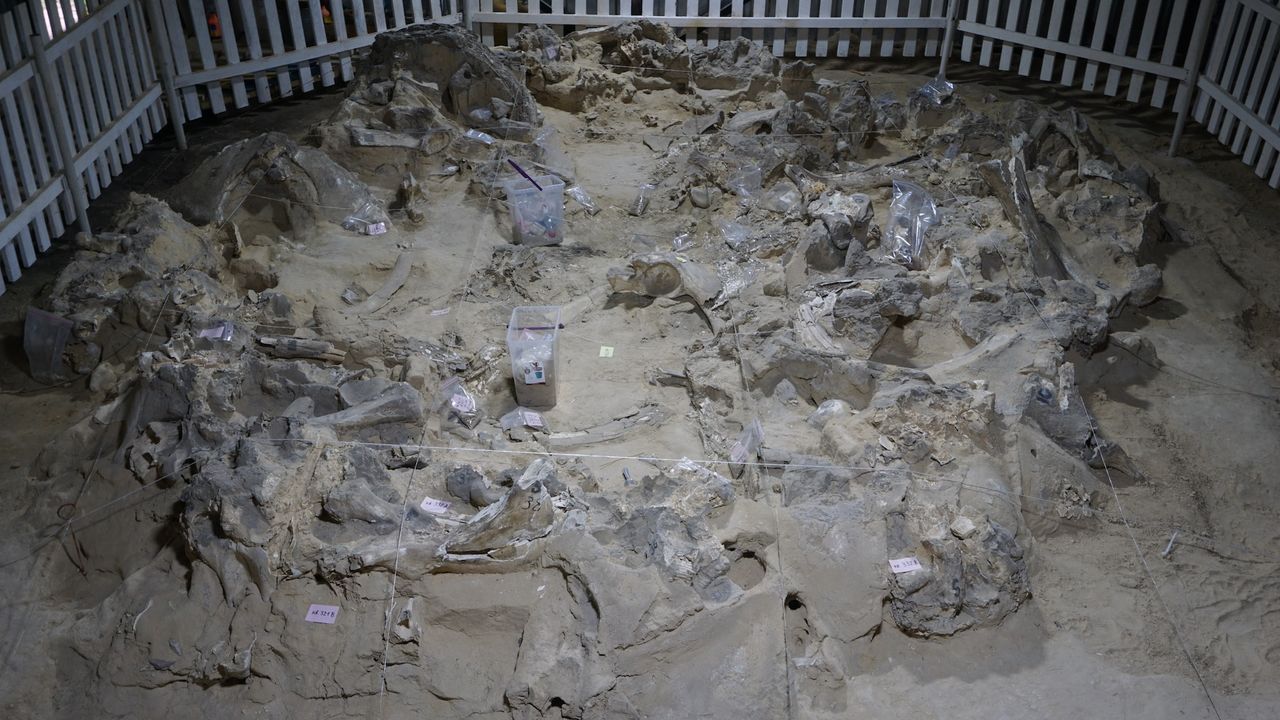
Some people in Ukraine weathered the harshest moments of the last ice age by creating shelters made partly of mammoth bones and tusks.
Published: 2025-12-23 19:08

By directly communicating with the brain, a new wireless device could someday help restore lost senses or manage pain without medications, its developers say.
Published: 2025-12-23 17:15
Careful slope monitoring prevented mass casualties in the landslide at Blatten, Switzerland, this year, but mountain communities may face a growing risk of disasters
Published: 2025-12-23 17:00
Growing evidence reveals that creativity is one of the best-kept secrets for boosting your health. From live theatre to a quick crafting break, here’s how to harness the power of art in your everyday life
Published: 2025-12-23 16:00

A small study reveals that cats greet male owners more vocally than female ones. But the findings could be a result of cultural norms among the participants, rather than a universal cat behavior, scientists say.
Published: 2025-12-23 14:58

NASA's Mars Reconnaissance Orbiter spacecraft has just taken its milestone 100,000th photo of the Red Planet using its high-definition camera. It reveals a dark region of moving sand dunes.
Published: 2025-12-23 14:35
The year’s most memorable moments from astronomy and space exploration include a double-detonating supernova, a private moon landing and a stunning lunar eclipse
Published: 2025-12-23 14:00
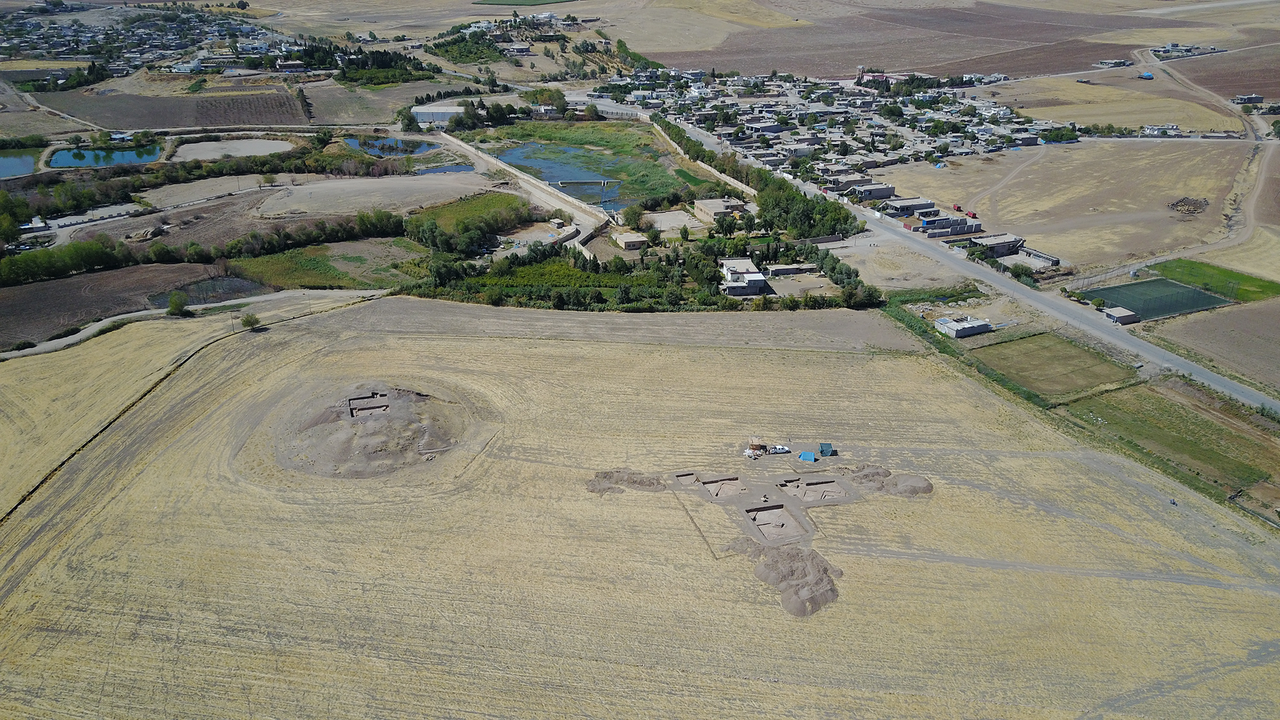
A 2,000-year-old palace in the Republic of Georgia and a 1,500-year-old church in Iraq suggest Zoroastrians coexisted with people of other religions.
Published: 2025-12-23 12:30
Scientists cultivating partnerships of fungi and algae believe their invention has far-out implications for how we create the buildings of the future
Published: 2025-12-23 12:00
Space
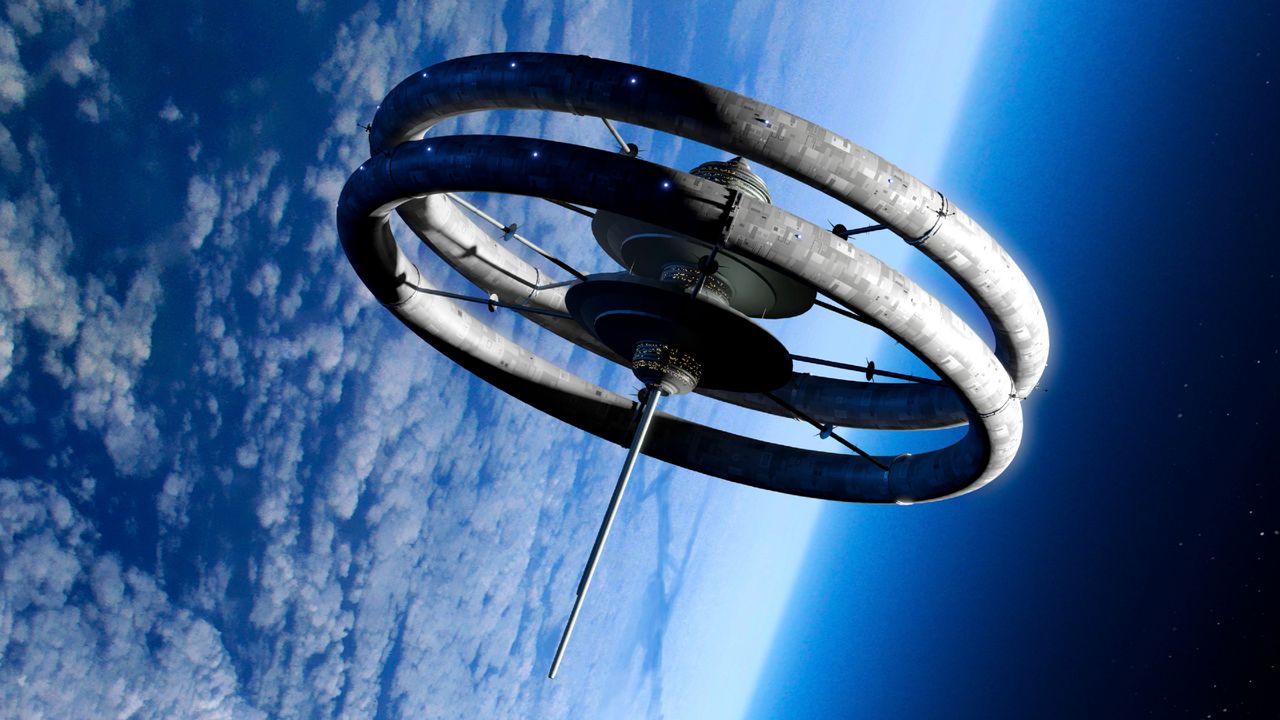
According to the patent, habitable modules would rotate around a central axis to simulate gravity for crew by producing an outward-pushing centrifugal force.
Published: 2025-12-23 22:00

In a galaxy not so far away, Lego sets can be VERY expensive: Here are the most expensive Lego Star Wars sets you can currently buy.
Published: 2025-12-23 21:05

Outside Earth's protection, space travellers will be routinely exposed.
Published: 2025-12-23 21:00

Early risers across North America and Europe may spot a bright, silent light gliding across the Christmas sky — and it just happens to coincide with an ISS flyby.
Published: 2025-12-23 19:00
Introduction The Observational Products for End-Users from Remote Sensing Analysis (OPERA) project represents a strategic initiative designed to address critical satellite data needs identified by federal agencies. Established in 2021 by the NASA/Jet Propulsion Laboratory (JPL), OPERA responds to priorities identified by the Satellite Needs Working Group (SNWG), an interagency body convened by the White […]
Published: 2025-12-23 18:55
For most, getting into a car is a task that can be done without assistance. Yet for those whose destination is the Moon, the process of getting inside and secured – in this case, in NASA’s Orion spacecraft – requires help. That’s the role of the Artemis closeout crew. Trained to support Artemis II and […]
Published: 2025-12-23 18:44
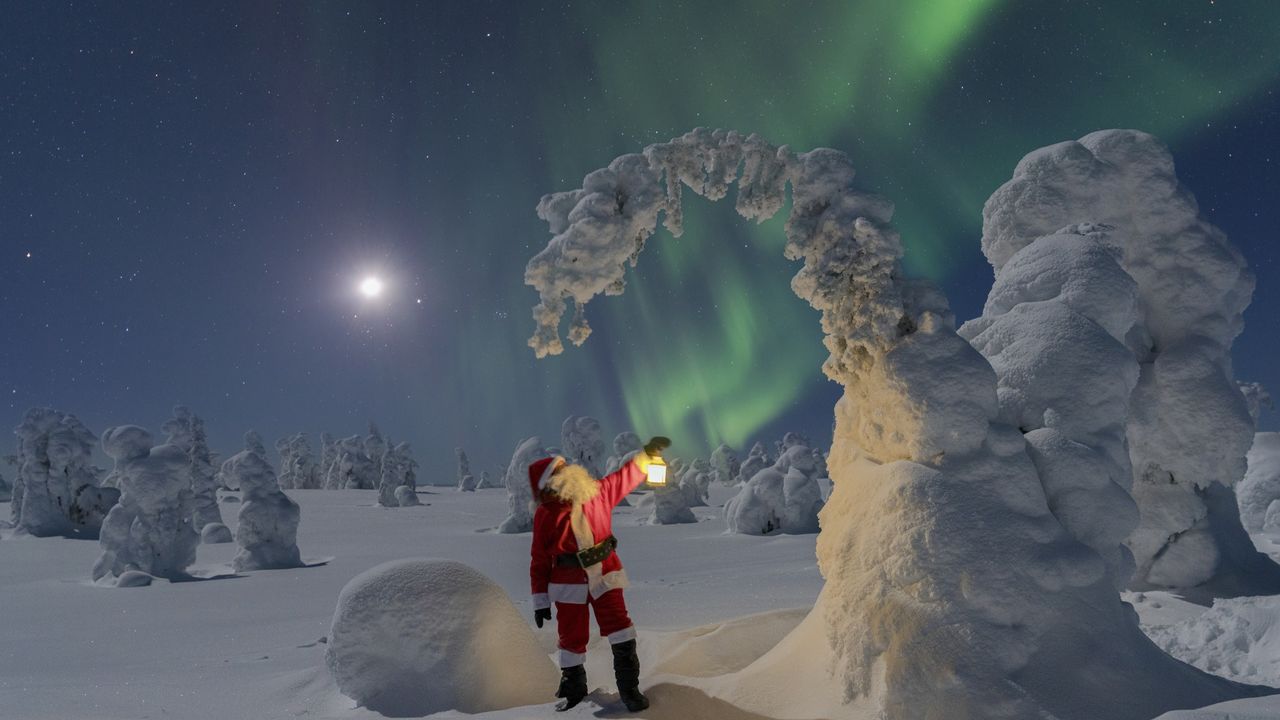
Fast solar wind and a possible glancing blow from a coronal mass ejection could spark auroras over Christmas.
Published: 2025-12-23 18:00
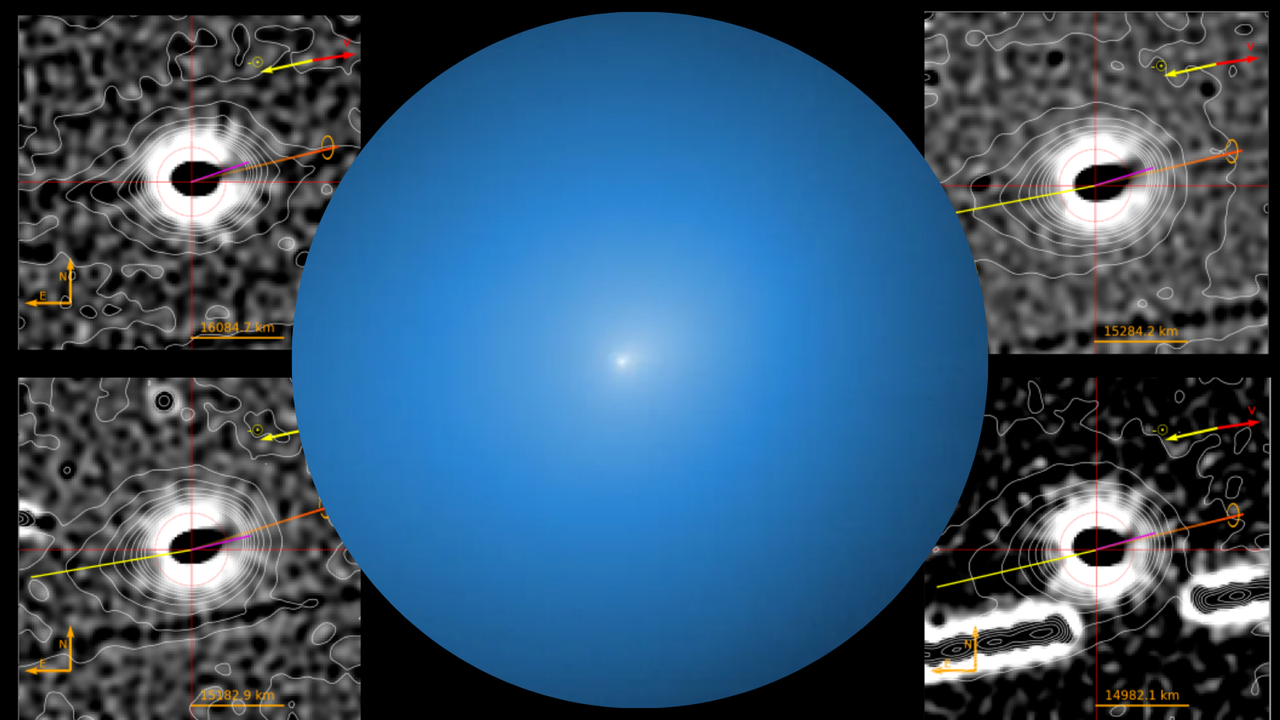
3I/ATLAS may have moved away from Earth as it makes its way out of the solar system, but this interstellar intruder continues to delight and surprise astronomers.
Published: 2025-12-23 17:55
From left to right, CSA (Canadian Space Agency) astronaut Jeremy Hansen and NASA astronauts Christina Koch, Victor Glover, and Reid Wiseman stand outside before boarding their Orion spacecraft inside the Vehicle Assembly Building at NASA’s Kennedy Space Center in Florida as part of the Artemis II countdown demonstration test, Saturday, Dec. 20, 2025. Because the […]
Published: 2025-12-23 16:18
NASA’s launch and mission teams, along with the Artemis II crew, completed a key test Dec. 20, a countdown demonstration test, ahead of the Artemis II flight around the Moon early next year. The astronauts, supported by launch and flight control teams, dressed in their launch and entry suits, boarded their spacecraft on top of […]
Published: 2025-12-23 16:00
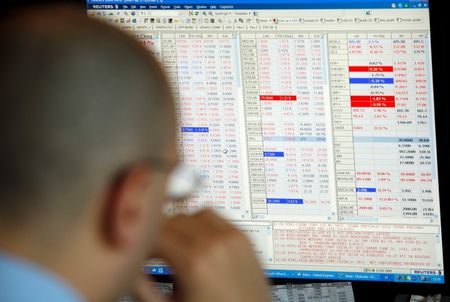
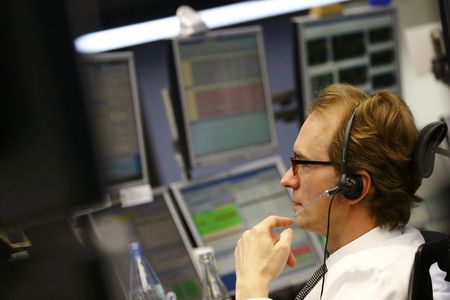
Stocks & Markets



Published: 2025-12-23 22:55





Tech

With its finale on the horizon, the show has racked up impressive viewership numbers—but it's also had an impact on random pockets of culture, too.
Published: 2025-12-23 22:30

Films like 'Demon Slayer: Infinity Castle' and 'Chainsaw Man – The Movie: Reze Arc' proved the industry's stitched-episode preview events are overstaying their welcome.
Published: 2025-12-23 21:30

The launch laid "an important foundation for subsequent launches and reliable recovery."
Published: 2025-12-23 21:22
It's the latest development in an evolving war between Chinese and American consumer tech products.
Published: 2025-12-23 21:16

The deepest recorded cold Arctic vent is a living surprise, researchers say.
Published: 2025-12-23 21:15

Chinese regulators have been slow to approve the mass production and sale of more advanced self-driving tech.
Published: 2025-12-23 21:00
The deal is expected to yield significant returns for Armis investors, including Sequoia, CapitalG, and Insight Partners.
Published: 2025-12-23 20:40

The big, beefy take on the Dark Knight is getting a suitably big and beefy figure.
Published: 2025-12-23 20:30

Will anything online be real next year?
Published: 2025-12-23 20:10

Reduce, reuse, recycle.
Published: 2025-12-23 20:10
Uncategorized
In December 2020, demolition work atop Bishop Hill in Shek Kip Mei district uncovered the long forgotten Sham Shui Po Service Reservoir. Upon breaching the roof, the reservoir's beautiful Romanesque arches and brickwork were exposed to the general public for the first time in many decades. The reservoir was built in 1904 as part of the British colonial government's scheme to provide clean water to Kowloon's rapidly surging population. The service reservoir's circular shape maximized the water storage capacity at 9,900 cubic meters, while 108 neatly ordered Roman-style granite masonry piers supported the enclosing concrete roof, which prevented external contamination, but also shrouded this architectural marvel from the eyes of the general public. The service reservoir continued to provide clean water to the surrounding districts until being decommissioned in 1970. Completion of the Shek Kip Mei Fresh Water Service Reservoir, with a ten times larger storage capacity, rendered the long serving Bishop Hill Reservoir obsolete and largely forgotten with the passage of time. The demolition work that uncovered the Reservoir was part of routine renovations by the Water Services Department. Media and public upon the site's discovery led to the Water Services Department suspending demolition, while the Antiquities Advisory Board evaluated the site's historical value. Ultimately, the reservoir was awarded an all-protecting Grade 1 historic structure status. Today, the Sham Shui Po Reservoir has been thoughtfully repurposed as a visitor attraction. A steel and glass roof structure provides shelter from the elements, but still allows natural light into the interior of the previously sealed reservoir. As visitors circle the chamber, yellow lighting illuminates the mesmerizing semi-circular arches, brickwork, and concrete cove ceilings.
Published: 2025-12-23 18:00
A meridian is a scientific term denoting an imaginary demarcation line that runs north to south and is drawn for astronomical purposes. The line can be used to mark zero degrees longitude and is used to divide the Earth into the Western and Eastern hemispheres, as well as to set time zones. In 1637 the Scottish astronomer and mathematician James Gregory laid down such a line in his St. Andrews laboratory. What makes this so outstanding is that this was nearly 200 years before a similar configuration was instituted in Greenwich, England. In 1884, representatives from 22 countries gathered in Washington, DC at the International Meridian Conference with the goal of picking a global meridian that could be used to standardize navigation routes and time differences - the meridian in Greenwich was chosen and has served as the world's prime meridian ever since. Gregory's Meridian was a few miles west of the one in Greenwich, creating a time difference of about 12 minutes, and placing cities like London in the Eastern hemisphere instead of the Western. Had the world not relied so heavily on England's shipping prowess, we may have been setting our watches to STAMT (St. Andrews Mean Time) rather than GMT (Greenwich Mean Time). In 2014, the University of St Andrews’ King James Library decided to honor this legendary inventor with a plaque and meridian line outside Gregory's laboratory on South Street. The memorial is a brass line set on the pavement outside the King James Library - it follows the exact path of the original wooden line that he had drawn on the floor of his historic laboratory. Today, locals and visitors alike are invited put one leg in each hemisphere and set their watches to a few minutes behind the rest of the world.
Published: 2025-12-23 14:00
Ancient Egypt was far from a monotonous period of history, with numerous periods of political and social strife occurring in the course of over 1,000 years. One of the most notable of these is the First Intermediate Period, a 125-year "Dark Age" of the 22nd and 21st centuries BCE in which few monuments were built and many were pillaged or destroyed. The country was split into Upper and Lower Egypt, with the pharaohs of each holding little power compared to the local rulers, known as nomarchs. One of the most powerful and prosperous nomarchs of the time was Ankhtifi, based in Nekhen. His tomb at the El Mo'alla Necropolis south of Luxor provides a rare glimpse of the period's life, art style, and practices. Ankhtifi's tomb autobiography boasts of how he brought economic stability and security to his region at a time when much of Egypt was in a prolonged famine. Although ruling largely independently of the pharaohs, he supported those of Lower Egypt in their attempts to conquer Upper Egypt. A unique glimpse into an understudied period of Ancient Egypt, Ankhtifi's tomb has been preserved and opened to the public alongside those of his family and other nomarchs at El Mo'alla.
Published: 2025-12-23 10:00
>Listen and subscribe on Apple Podcasts, Spotify, and all major podcast apps. Kelly McEvers: Hanako Nakazato says, when she was a kid, she didn’t want to work in pottery. Hanako Nakazato: I grew up in Karatsu, which is known for history of pottery. So when I was younger, I wasn’t interested in pottery. It was too close to home. Kelly: Karatsu is in southern Japan. It’s been a hub of pottery making for hundreds of years. Hanako comes from a family of renowned potters. So, at first, she wanted to try something different. But, after she moved to the United States at 16, slowly that started to change. Hanako: As I spent many years away from home, I started to appreciate my own cultural heritage. Kelly: It started with food, sort of. Hanako: I love food, and I realized the Japanese dining experience is very unique. Not just the ingredients, but the table setting is very unique—the presentation of the food—and pottery plays a big role in that. Kelly: So, Hanako knew what she had to do next. Hanako: I wanted to create a tool to enjoy food, and that was the start. European style, everything is unified, and it’s very clean. But if you go to a Japanese restaurant, repetition is often avoided. So, you would have different kinds of pottery on the table. It’s not just white things and the round things. You might start seeing something white or clean, but then next might be something in wood or bamboo or metal or glass. Texture is different, material might be different. Kelly: To Hanako, there was something beautiful about all these different variations. Something that to her had a deeper meaning. Hanako: We mix all different kinds of materials and shapes and heights, and it’s creating something balanced or unified out of chaotic situations. Kelly: Since 2010, Hanako has been living and practicing in both Japan and in rural Midcoast Maine. She says Maine’s environment is like the Japanese diningware she came to love. Varied, messy even, but also cohesive and balanced. Craggy, rocky hills next to placid blue lakes, dense forests near the wide open ocean. It’s all there, she says, and it all inspires Hanako and other artists like her. Hanako: Maine has the beauty and inspires people, artistic people, to create something beautiful. To be independent and to create your own beautiful life because of the beautiful nature. That’s what I appreciate, Maine. I’m Kelly McEvers, and this is Atlas Obscura, a celebration of the world’s strange, incredible, and wondrous places. This episode was produced in partnership with the Maine Office of Tourism. It’s Maine week on the show, so every day we are introducing you to someone from that great state. People who live and work and get inspired by Maine’s rugged beauty. Today is all about the pottery of Hanako Nakazato and the philosophy she brings to it. It’s a philosophy that perfectly unites the two places she spends her time: Karatsu, Japan, and the 2000-person town of Union, Maine. Two places that inspire artists with their sense of community and the beauty of nature. This is an edited transcript of the Atlas Obscura Podcast: a celebration of the world’s strange, incredible, and wondrous places. Find the show on Apple Podcasts, Spotify, and all major podcast apps. Hanako: Maine, it’s not New York City. You see a lot of greens, sometimes I see turkeys in traffic. Yeah, we’re living in the countryside of mid-coast Maine. I love it. Kelly: If you know much about Maine, you know it can be quiet and peaceful, but you also probably know that it gets pretty rugged. Being in rural Maine is a physical experience, and that resonates with Hanako. Because, so is throwing pottery on a wheel. Hanako: I used to be a serious athlete, and I like to understand the world in a physical way. And pottery is very—it requires a certain level of aestheticism. Kelly: You can see that in the way Hanako makes work. She starts by taking a big piece of clay and tossing it onto a table over and over, kneading it to soften it up. Then … Hanako: You put the chunk of clay on the wheelhead. Kelly: Then she pounds the sides of that chunk, centering it and guiding it upward as she does. On the top portion of the spinning mound of clay, she begins to shape a bowl or a cup. Then she uses a traditional tool that’s used in Karatsu. Hanako: A special rib, special tool, throwing tool, called gyubera. Kelly: The gyubera kind of looks like a cow’s tongue. She uses it to press the walls of the cup or bowl against her outside hand and shape the pottery. Then she slices the bowl off the top of the spinning mound and begins forging another one from the clay that remains. And another and another. In her home studio with white walls and floor-to-ceiling windows that look out over the main wilderness, Hanako does this work almost like meditation as the light shifts outside. Hanako: I’m a production potter, so I can make a couple hundred pieces a day. If I decide to make a cup, I make 50, or hundreds of them. Just to get in a flow. I love working in a flow, because I let go of myself and just work on the wheel, spinning, and it’s all physical. You’re not even thinking. I usually listen to house music and it’s all about the rhythm and then just doing the repetition. Kelly: Hanako says the key is letting her mind get out of the way. Hanako: That’s when the true beauty comes out. Pottery as a clay, as a material, it’s very responsive to the touch or the movement, and you have to work with intuition, you have to use senses. You can’t really think too hard. Kelly: Hanako wants her art to be used: bowls, plates, cups, and carafts, but there’s always something unique about each one. An unexpected angle, a sloping edge. And since moving to Maine, the local landscape has found its way into her work too. Hanako: I often find my shape is influenced by what I see in nature. I love being in Maine because it has the ocean, the blueberry field, and the woods, and light. Light is magical here. I used to make black or white or something monotone pottery because I was more into creating shapes. But since I moved to Maine, I started making something more colorful or blue. And I think I was influenced by Maine, ocean or sky, or dark night. Yeah, definitely have a different color palette since I lived in Maine. Kelly: Hanako’s style is rooted in Japan too. One of her guiding philosophies to lead with your heart and your body rather than your mind doesn’t just show up in her process. It’s embedded in the name of her studio, Mono Hanako. Hanako: “Mono” means “thing” in Japanese. “Pottery” in Japanese is called “yakimono.” “Yaki” is “fired,” “mono” is “thing.” But I want my pottery to be versatile. If you call this a mug, it limits the usage function as a drinking vessel, maybe just for coffee or tea. But if you call it a thing, you could use it for soup, or you could use it for ice cream, dessert bowl, or you could put, you know, a bouquet of herbs. So it will open up the other possibilities of usage. So I want to call my pottery a thing, rather than giving a special name like a soup bowl or a dessert bowl or you know, ramen bowl. Because beyond that, people cannot really think about it. You know, oh, you have to use for ramen only. The pottery might be the same, but if you put different things, this will look differently. And I like the continuous change. Kelly: Trying to avoid the limiting confines of your thinking mind, staying away from perfection, celebrating and embracing variety, like the variety found in the tableware in a traditional Japanese meal. All this is baked into Hanukkah’s philosophy, not just in art, but in life. Hanako: I think there is a Zen influence. Perfection is often avoided in Zen philosophy. Kelly: And in Maine, that variety, that ruggedness, that beautiful imperfection is all around her. Hanako: Nature is not trying to be perfect. It just—it’s there. Listen and subscribe on Apple Podcasts, Spotify, and all major podcast apps. This episode was produced by Katie Thornton. Our podcast is a co-production of Atlas Obscura and Sirius XM Podcasts. The people who make our show include Dylan Thuras, Doug Baldinger, Kameel Stanley, Johanna Mayer, Manolo Morales, Amanda McGowan, Casey Holford, and Luz Flemming. Our theme music is by Sam Tyndall.
Published: 2025-12-23 07:15
One of the most popular and renowned activities in Boston during the 4th of July is the concert performed by the Boston Pops at the Hatch Memorial Shell on the Charles River Esplanade. After playing numerous songs, the event is concluded with Tchaikovsky's "1812 Overture" accompanied by the firing of howitzers and fireworks. Hundreds of thousands have been known to attend the concert every year, and the idea of the Boston Pops performing on the 4th of July free to all was the brainchild of its longest-tenured conductor, Arthur Fielder. Fielder became the conductor of the Boston Pops in 1930 and would hold the position until his death in 1979. Before his tenure, the Boston Pops was only known mostly in the Northeast, but Fielder helped transform it into a national icon through televised performances, over 300 recordings of many popular songs of the day and offering free concerts so classical music and other genres could be enjoyed by the public. Fielder was known for his flair and showmanship when conducting and occasionally incorporated self-mocking humor to attract larger audiences. In 1984, five years after his death, a memorial sculpture dedicated to him was installed along the Charles River Esplanade. It’s a 6.5-foot-tall bust made from 83 aluminum plates which has an optical illusion built in. From a distance, the head appears clear and distinct but upon getting closer, it begins to distort. This was done deliberately as a reference to Fielder’s eccentric and conflicting personality. On the outside, he was seen as genial, outgoing, and friendly but in private, he could be cantankerous, distant, and hostile to his friends, family, and members of the orchestra. He also had a peculiar obsession with firefighting and would travel to large fires across Boston any time of the day he was available just to watch firemen at work. Despite his quirks and oddities, Fielder made significant contributions to the world of classical music and the Boston Pops. If you’re a fan of the orchestra and would like to pay your respects, the statue is worth a visit.
Published: 2025-12-22 16:00
The Kaiser Wilhelm Memorial Church is a popular landmark near the bustling Bahnhof Zoo and hosts a well-known Christmas market each December. Unbeknownst to many visitors, it is also the site of one of Germany’s deadliest terrorist attacks of modern times. On the church staircase, thirteen names are engraved in memory of the victims. From there, a thin golden line of brass runs along the ground and down the street, symbolizing a crack, a rupture left behind by tragedy. This memorial commemorates the December 19, 2016 attack, when a terrorist hijacked a truck and drove it into the Christmas market, killing 13 people and injuring dozens more. The event left lasting marks beyond those etched into the pavement. Today, Christmas markets across Germany are commonly surrounded by concrete barriers, a quiet but constant reminder of the attack and the lasting impact it had on public life.
Published: 2025-12-22 12:00
Listen and subscribe on Apple Podcasts, Spotify, and all major podcast apps. Kelly McEvers: Becky Sigwright did not grow up on the water. Becky Sigwright: I grew up in New Hampshire. My mom is a commercial janitor. My dad is a forester. So very not boat-related. Kelly: But every year growing up, she would visit the coast, and something would happen to her. Becky: I’d come up for about a week in the summer to visit my grandmother in Duthbe, right on the water. And just something just always felt right about being in Maine. We’d open the windows as far as they would go as we were going by the clam flats and just soak it in. Because just the salt air, the feeling, the people here, it just feels right. Kelly: Becky loved coming to Maine. And over time, what she realized she really loved was boats. Becky: When I was a teenager, I started reading a lot of books about sailing and sailing history. I read the books, devoured them. Kelly: And then … Becky: When I was 17, I got my first job on a boat. I remember the first moment that I stepped on board and I wrote down in my journal that night, I’m on a ship. I’m on a ship. I can’t believe I’m on a ship. I’m Kelly McEvers, and this is Atlas Obscura, a celebration of the world’s strange, incredible, and wondrous places. This episode was produced in partnership with the Maine Office of Tourism. It’s Maine week on the show, so each day we are introducing you to a person from that great state: people who live and work in Maine and who fuel their creativity with its rugged beauty. Today, it’s Becky Sigwright, who now captains a wind-powered boat that has been sailing around Maine since before the invention of the telephone. This is an edited transcript of the Atlas Obscura Podcast: a celebration of the world’s strange, incredible, and wondrous places. Find the show on Apple Podcasts, Spotify, and all major podcast apps. Kelly: After that first job on a ship at 17, Becky trained and trained until she made captain. Now she captains the country’s oldest windjammer. That’s a sailing ship powered only by the wind. It’s called the Lewis R. French. It was built in 1871 in South Bristol, Maine, and has been active ever since. Originally it was a freighter carrying cargo. Today it carries human cargo around the coast. Becky: These days, the Lewis R. French stays busy sailing out of Camden Harbor on three-, four-, five-, and six-night cruises. We can take up to 21 guests. We have a crew of five. We have a cook, a deckhand, two deckhands actually, a first mate, and the captain, usually me. Kelly: The Lewis R. French is 65 feet long with six huge sails. By the way, that is a lot bigger than your normal sailboat. A large wheel, like a classic pirate ship wheel, steers the boat. And because it’s a windjammer, there’s no inboard motor. Becky guides this thing to where the wind takes her. Becky: We just go wherever makes the most sense for the weather that we have and for the people that we have on board. Every time we go sailing, it’s always an adventure. It’s always something new. There’s so many peninsulas and islands and places you just can’t get to by car. Kelly: Which means it’s a really cool way to see the rugged parts of Maine. Becky: Everything that we can think of that’s Maine, we try to distill it into this experience: sitting on a beach eating lobster from a schooner is about as main as you can get. Kelly: And passengers can help sail the ship. Becky: Like helping to raise the sails, raise the anchor, furl the sails. Alright, so what we do is we throw our weight forward, okay, and then we fall back in the line, and then we pull down, push the pit. All in one smooth motion. Yep. Forward, back, back, again, forward, back, come on, forward. Kelly: Boats have been a huge part of Maine’s economy for a long time. Back in the day, there was a big lumber industry in Maine, and a ton of that lumber was used to build ships, which could then be sent all over the world. Plus, for centuries, of course, fishing and lobstering by boat have been a major part of the economy in Maine. And then there was just shipping of all kinds of stuff, things like fabrics. The East Coast, from New York to Boston and up to Nova Scotia, was where a lot of transatlantic cargo docked in the 19th and early 20th century. In other words, Maine’s ports were vital and full of boats like Becky’s. Becky: So schooners like this were absolutely the lifeblood of Maine. There was a lighthouse keeper into Penobscot Bay in the 1890s, I believe. He kept a tally of all of the schooners that he saw going by the lighthouse carrying cargo. And in that year, he tallied 16,000. Kelly: It’s not impossible that the Lewis R. French, Becky’s boat, was among that 16,000 tallied by the lighthouse keeper. In the French’s early years, the boat hauled freight. Then, as Becky says, she went fishing, working in the seafood trade. But in 1929, the boat caught fire. This, unfortunately, was common back then. Becky: There used to be thousands and thousands of these boats, and they weren’t expected to last very long. At a certain point, it was cheaper to just build a new one than to try to maintain and rebuild the existing boat. Kelly: The French didn’t burn away completely. Much of its bones were still there. Becky: She was rebuilt to be a sardine carrier, and she moved down east a little further. And she did that for about 50 years. And then in the 1970s, this guy, Captain John Foss, bought the French and rebuilt it and restored her back as closely as he could, back to what she’d been when she was built. Kelly: Captain Foss kept the boat historically accurate, but made it more functional and more comfortable. At this point, rehabbing the ship to carry cargo didn’t make sense. It was the 1970s, and internal combustion engines had become the norm on industrial ships. Relying on the wind was a bit of a novelty. And a lot of those old wind-powered ships had been allowed to break down or burn or were just taken off the water. Becky: Boats like this aren’t really around. They’re in museums behind glass. The oldest windjammer is a pretty neat distinction because she’s not part of a museum. You know, the people that come on board can touch things, can be a part of things. Kelly: So when John Foss fixed up the French in the 1970s, he did it with the goal of making it a passenger boat. At that time, the tourism industry was growing in Maine, and windjamming—going out on these old sail-driven cargo ships—was getting a reputation as a powerful experience among people who did not mind doing some hard work while they were on vacation. But Becky says windjamming as a tourist attraction did not take off right away. Becky: The windjamming industry was invented in 1936. This guy, Frank Swift, worked as a deckhand on a cargo-carrying windjammer. And then the next summer, he thought it was an awful lot of fun, so he chartered one and tried to get people to come up and go sailing with him for fun—because it was just such an incredible experience—along the coast of Maine. The very first people that he got to come sailing was a pair of schoolteachers from Boston, and they came onboard and saw the accommodations and walked right off. Kelly: Becky says things have changed a lot since then. Today, passengers on her windjammer have toilets, comfortable beds, outlets, and potable water in their bathrooms. It’s not a luxury vacation, but no one is forced to help out on deck. That said, most people do like to help Becky draw up the anchor, raise the sails, or steer the sailboat. When they actually have a particularly repetitive task, Captain Becky even leads her temporary deck hands in a sea shanty. Becky: Well, a lobster on the beach wouldn’t do us any harm. No, a lobster on the beach wouldn’t do us any harm. The lobster on the beach wouldn’t do us any harm, for we’ll all hang on behind. And we’ll roll the old chariot along. We’ll roll the old chariot along. And we’ll all hang on behind. Kelly: Becky says she does take comfort seriously, even if that comfort is a little retro. The French has an old-fashioned wood stove on board. Becky: It’s always warm, it’s always dry in there. No matter how nasty and wet and windy and cold and rainy and foggy and gross it may be to be outside, there’s always a warm, cozy, comfortable place to be. It wouldn’t be like that if it was a propane stove. It wouldn’t have the same ambiance, it wouldn’t have the same feeling. It’s important to do hard things, and it’s important to be out in the rough weather and all of that, but it’s just as important to have a comfortable, dry, warm place to be when it’s done. Kelly: So you’re all warm and dry and cozy on the boat, but then you get to get off the boat and see places along hundreds of miles of Maine’s coast that many people just don’t get to see. Becky: The actual layout of the land here is very conducive to sailing. Penobscot Bay, where we do probably 90 percent of our sailing trips, it’s surrounded on three and a half sides by islands. And the islands are in a large part open to the public. The Maine Island Trail Association maintains hundreds of islands along the coast, and they welcome us to come visit. Kelly: A lot of the islands up there are technically private land, but many of the landowners have agreed to open the islands to visitors. Becky: There’s just so many unique places for us to stop, and there’s lots and lots of options for good anchorages and safe harbors for us when it’s time to stop at the end of the day. Kelly: If you’ve been there, you know the coast of Maine is beautiful. Becky says seeing it by boat is amazing. Becky: Seeing the main coastline from the water is very, very different than seeing it from land. Seeing it from land, it’s very pretty, but from the water you get the whole big picture. You see it differently. The coast of Maine has thousands and thousands of islands, and many of them don’t have bridges. But a lot of the coast is just not accessible. Most people don’t have boats. So we’re kind of their avenue to explore. Kelly: These days there are about 10 boats in Maine’s wind jamming tourist fleet. Lewis R. French, of course, is the oldest. And even though it’s hard sometimes, Captain Becky still loves being at sea. Doing the work, doing things the patient way. Becky: Being the captain has—it can be very demanding. You need to be a good decision maker. Um, kind of have a plan A and a plan B and a plan D. Honestly, it requires some guts. Boats absolutely have souls. I don’t know if it’s a product of the people that have been on the boat and have kind of left a piece of themselves in it, or if it’s just something that the boat starts with. But either way, the French 100 percent has a soul. She has—yeah, she has opinions. I’m absolutely a romantic. Just the idea of being away from land, away from the modern world. It’s the hard way to do things in a lot of ways. Like we don’t use winches, but it’s part of the fun. It’s soothing, it’s healing, it’s healthy, it’s rejuvenating, peaceful. And just the feeling of moving through the water, moving through the air with nothing propelling you except for the wind is amazing. It’s incre—I can’t say enough. But as soon as we get the sails up, everything just is quiet. Everything just kind of clicks into place and it feels right. It’s like taking a deep breath. Listen and subscribe on Apple Podcasts, Spotify, and all major podcast apps. Our podcast is a co-production of Atlas Obscura and Sirius XM podcasts. The people who make our show include Dylan Thuras, Doug Baldinger, Kameel Stanley, Johanna Mayer, Manolo Morales, Amanda McGowan, Casey Holford, and Luz Fleming. Our theme music is by Sam Tyndall.
Published: 2025-12-22 09:15
At the mouth of Lake Constance (Bodensee), where the Rhine slips toward Switzerland, a nine-meter courtesan spins in slow defiance. Her name is Imperia, and she’s been turning — quite literally — since 1993. Sculpted by Peter Lenk, she rotates once every four minutes, balancing two tiny naked men in her hands: one crowned like an emperor, the other wearing a papal tiara. Both look foolish. Both are helpless. And both, in her grasp, symbolize a truth Konstanz has never quite lived down — that power and piety often share the same bed. The story behind her grin reaches back to the Council of Constance (1414–1418), when Europe’s most powerful clerics and rulers gathered here to end the Great Schism. For four years, the small lakeside city overflowed with popes, princes — and prostitutes. Chroniclers whispered that the “holy” council was shadowed by carnal excess. Lenk drew inspiration from Balzac’s 1830s story La belle Imperia, in which a courtesan seduces the church’s elite during that very council. When the sculptor unveiled his version, local politicians and priests tried to have it removed. He sidestepped them by placing it on private harbor land, untouchable by city order. Overnight, Imperia began to turn — a concrete act of rebellion. Today, she is Konstanz’s icon, declared a cultural monument in 2024. Tourists pose beneath her; locals still argue about her. But Imperia endures, her slow rotation a reminder that the sacred and the profane are never far apart — and that sometimes, history itself needs a woman to keep it spinning.
Published: 2025-12-22 08:00
After Japan opened to trade in the 19th century, merchants were allowed to set up houses in designated areas. The Dutch slope is the first of these areas, but interestingly none of the buildings found on it are built by or for the Dutch. The slope is one of several areas designated to foreigners after the country opened to trade. These were akin to enclaves, as western laws were followed there and they functioned outside of the Japanese jurisdiction. The slope is named after the Dutch because for a long time they were the only ones allowed in Japan, so much so that the word for westerner became synonymous with the word for Dutchman. As a result the first areas with a lot of foreigners became the Dutch slope. The slope contains several of the oldest western-style houses in Japan, including the old American consulate. Most buildings are open for the public on working days and weekends, but are sometimes rented for special events. The slope is famous due to its historical significance, but tends to be disappointing for most visitors, especially when compared to Glover Garden. So much so, that it was declared the top three of most disappointing sights in Japan by the Japanese.
Published: 2025-12-21 18:00
Perched above the sea in Flinders-Chase National Park, on Kangaroo Island is the suitably-named Remarkable Rocks. This stunning work of nature was carved out by over half a billion years of wind, rain and sea spray. The golden orange lichen covering some of the rocks offers visitors wonderful photo opportunities at different times of the day. When you see it for yourself, it feels impossible that nature could create such shapes out of these giant boulders, and leave them perched on the cliff's edge above the sea. It truly feels like an ancient monolith left to mark the edge of the world. If you're lucky, you may even see wandering emus or kangaroos coming to check it out for themselves.
Published: 2025-12-21 14:00